
 +1
(905) 282-0881
+1
(905) 282-0881
In the manufacturing world, precision, reliability, and compliance need to be maintained at a high standard of quality assurance. Strategic utilization of custom components emerges as a critical factor in achieving this. Custom components, meticulously designed and engineered to meet the unique requirements of a specific product or application, offer manufacturers a range of benefits that directly contribute to product quality, compliance with industry standards, and adherence to regulatory mandates. Let’s delve deeper into their role within manufacturing processes.
Precision Engineering and Quality Control
Custom components undergo a rigorous process of precision engineering and quality control from conception to production. This meticulous approach begins with detailed design specifications tailored to the product’s needs. Advanced computer-aided design (CAD) tools allow engineers to optimize every aspect, ensuring dimensional accuracy, material compatibility, and performance efficiency.
Prototyping and testing phases further validate the design, enabling adjustments to optimize functionality and address potential issues. Throughout the manufacturing process, stringent quality control measures are implemented to monitor and verify the integrity of each custom component. This comprehensive approach to precision engineering and quality control minimizes the risk of defects, ensuring that every component meets the highest standards of reliability and performance.
Optimized Performance and Functionality
One of the primary advantages of custom components lies in their ability to optimize the performance and functionality of the final product. By tailoring components to the unique requirements of a specific application, manufacturers can enhance efficiency, reliability, and durability. They are designed to integrate seamlessly with other elements of the product, minimizing friction, reducing wear and tear, and maximizing overall performance.
Moreover, custom components can be engineered with advanced materials and manufacturing techniques to achieve better results. From aerospace-grade alloys to cutting-edge polymers, the selection of materials is critical in determining the performance characteristics of custom components. By leveraging the latest advancements in materials science and engineering, manufacturers can create custom components that surpass the performance capabilities of off-the-shelf alternatives.
Compatibility and Integrationv
Ensuring compatibility and integration across components and systems is essential for seamless operation. Custom components are designed with compatibility in mind, allowing them to integrate with other parts of the product. This approach minimizes the risk of incompatibility, reduces assembly time, and streamlines production processes.
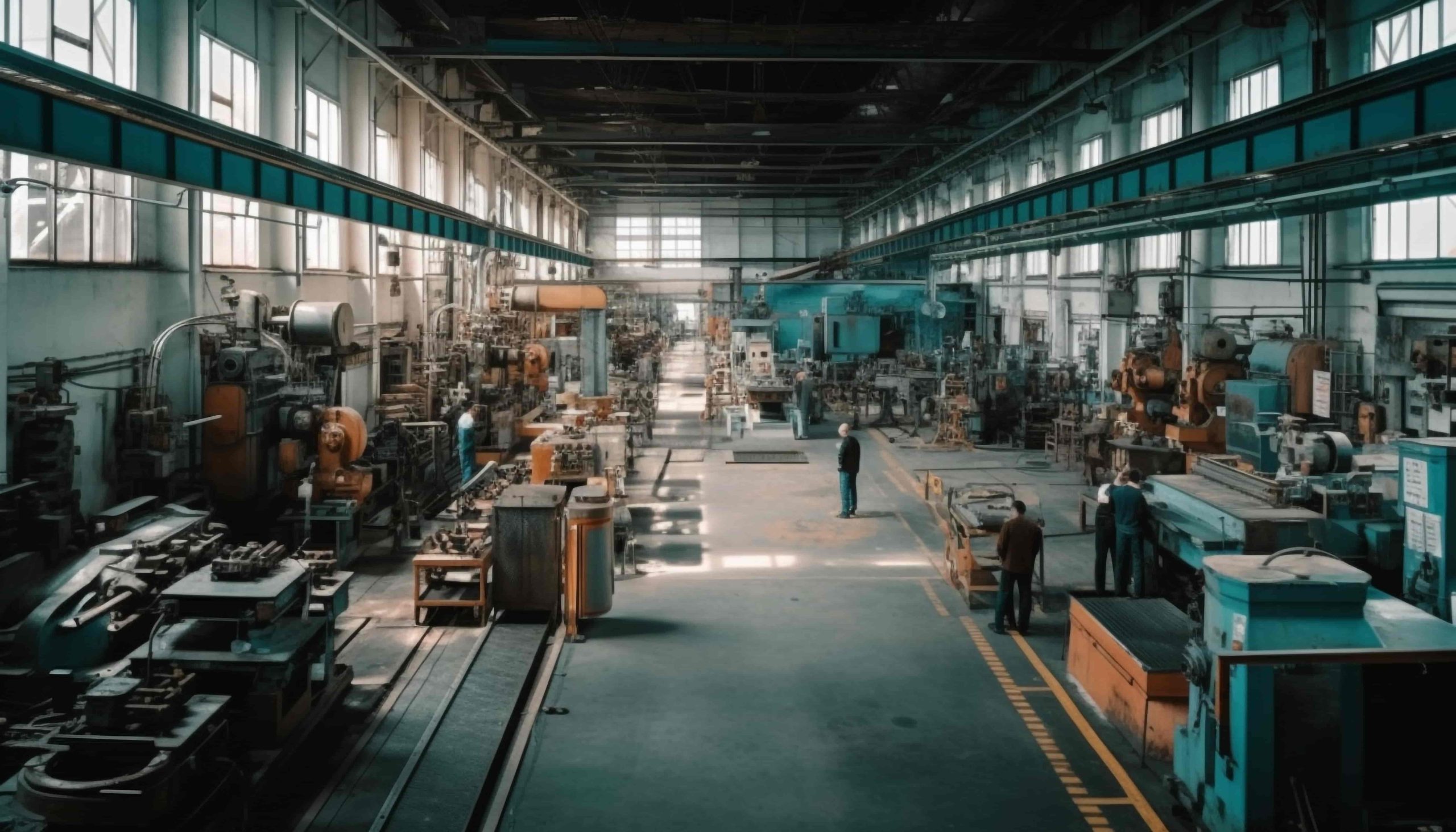
Furthermore, custom components can be engineered to adapt to specific manufacturing processes and production environments. Whether it’s accommodating tight space constraints, withstanding extreme temperatures, or operating in harsh chemical environments, custom components can be tailored to meet the unique challenges of the manufacturing environment. This adaptability enhances the overall efficiency and effectiveness of the manufacturing process, contributing to improved quality assurance.
Compliance with Industry Standards and Regulatory Requirements
Adherence to industry standards and regulatory requirements is non-negotiable in manufacturing, particularly in regulated industries such as aerospace, automotive, medical devices, and electronics. Custom components play a crucial role in meeting these standards and requirements by being designed and manufactured to comply with relevant regulations and specifications.
For example, custom components can be manufactured using materials that meet specific regulatory standards for safety, durability, and environmental sustainability. Additionally, manufacturing processes can be tailored to adhere to industry-specific quality management systems, such as ISO 9001 or AS9100, ensuring consistent quality and traceability throughout production.
Custom Components for Quality Assurance
The strategic utilization of custom components becomes a powerful tool to enhance quality assurance within manufacturing processes. By embracing customization as a core principle, manufacturers can elevate their capabilities, differentiate their products, and maintain a competitive edge in today’s demanding marketplace. They can leverage the inherent advantages of customization to navigate the complexities of modern manufacturing with confidence and precision. As the manufacturing landscape continues to evolve, the importance of custom components in ensuring robust quality assurance cannot be overstated.
- By ADHECOGEN
- |
- Feb 22 2024
- |
- |
- 0 Comments


