
 +1
(905) 282-0881
+1
(905) 282-0881
A poorly installed fire door can fail in under 10 minutes, putting lives, property, and liability at risk. These doors are essential for compartmentalizing fire and smoke, giving people time to evacuate and firefighters time to respond. But if installed incorrectly, their intended function can collapse, turning a life-saving measure into a legal and insurance nightmare.
This breakdown outlines the risks of fire door installation, safety consequences, legal fallout, and what every property stakeholder needs to watch for.
What is a Fire Door?
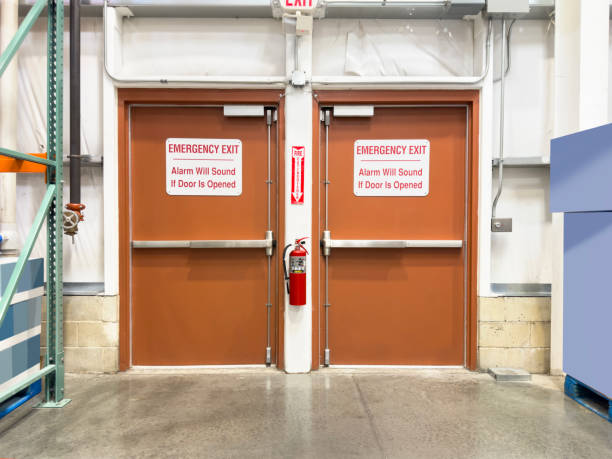
A fire door is a specially engineered assembly designed to withstand heat and smoke for a specific time—typically 20, 45, 60, or 90 minutes—depending on code requirements. When closed, a fire door helps stop the spread of flames, creating safer evacuation routes and protecting adjacent areas.
You’ll commonly find fire doors in:
- Stairwells
- Hallways in multi-unit residences
- Mechanical rooms
- Storage areas in commercial facilities
Fire doors are critical in both residential and commercial buildings. But even the right product can fail if it’s poorly installed.
Consequences of Poor Installation
The risks associated with fire door installation are serious: doors that don’t latch, have excessive gaps, lack proper seals, or fail to self-close allow fire and smoke to spread unchecked. According to the Ontario Fire Marshal, door-related fire code violations are consistently among the top three infractions in high-rise and multi-residential buildings. Industry inspections consistently find that over 75% of fire doors fail to meet regulatory standards, commonly due to improperly installed hardware, missing seals, or unauthorized modifications.
These failures have led to devastating outcomes, particularly in older buildings where annual inspections aren’t enforced. A warped frame or misaligned closer may seem minor—until it’s the reason smoke spreads down a stairwell or flames leap between floors.
Legal and Insurance Implications
The safety hazards of fire doors that are not compliant don’t just threaten lives—they trigger severe legal and financial penalties.
The Ontario Building Code (OBC) and Fire Code mandate specific installation standards for fire-rated doors in Ontario. Non-compliance can lead to:
- Fines up to $50,000 for individuals and $100,000+ for corporations
- Orders to vacate or shut down unsafe premises
- Potential civil lawsuits if injuries or damages result
Insurance providers also require code compliance for fire protection systems. If a fire spreads due to a faulty door installation, a claim may be denied based on negligence or breach of policy terms. In commercial real estate, this could amount to millions in uncovered losses.
TIP: Always request documentation from your door supplier showing product certification and installation instructions aligned with your local fire code.
Key Signs of Poor Installation
Even without being an expert, you can spot some of the most common fire door issues during a basic visual check:
- Gaps over 3mm between the door and frame
- No label or certification stamp on the door edge
- The door doesn’t self-close or latch fully.
- Missing or damaged intumescent seals
- Hinges or hardware are not fire-rated
- Paint or modifications that alter the door’s function
In the GTA, fire inspectors routinely flag these defects during audits, particularly in older apartment buildings or mixed-use facilities where retrofits were performed without full permit review.
How to Ensure Proper Fire Door Installation
The only way to guarantee fire doors will perform under pressure is to use qualified, certified professionals who understand the code, not just the carpentry. Doors should be installed according to the manufacturer’s specifications, using rated hardware, and with no field modifications unless approved.
At the final inspection stage, fire door assemblies should:
- Carry a visible certification label
- Be fitted with closing mechanisms that don’t stick or drag
- Include proper smoke and intumescent seals.
- Be documented with product and installation records for insurance or fire services review.
ADHECOGEN works with commercial and institutional projects to supply fully rated fire door packages that align with Ontario regulations. While we don’t install directly, we coordinate product specs and documentation with trades to ensure that what’s delivered to the site is compliant from the start, reducing the likelihood of rework, failed inspections, or unsafe conditions.

Conclusion: Turning Awareness Into Action on Fire Door Safety
Fire doors save lives—but only when installed correctly. Whether you manage a residential complex, operate a warehouse, or build custom homes, proper installation and inspection of fire-rated assemblies isn’t optional—it’s legally and morally necessary.
Stay proactive, know what to look for, and make sure your supply and installation partners understand the standards that keep your building safe.
Partner with ADHECOGEN to source compliant, certified fire-rated door packages—delivered with the documentation and coordination needed to pass inspection the first time.
- By ADHECOGEN
- |
- Jul 14 2025
- |
- |
- 0 Comments


